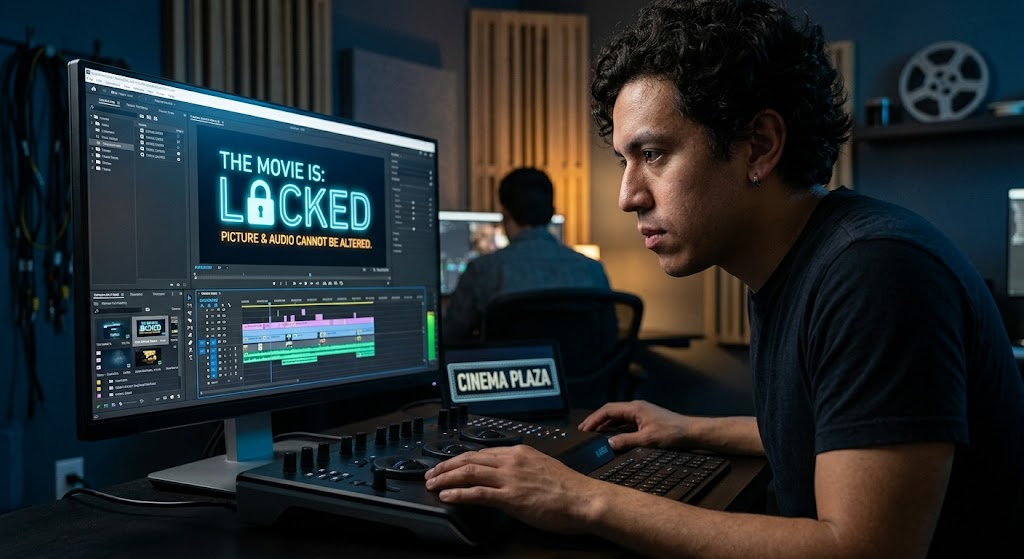
Have you ever wondered how a Locked Movie goes from a chaotic pile of film clips to a smooth, finished story on the big screen? It is a long and exciting journey. During this process, filmmakers reach a very important milestone known as a “locked movie.”
What Exactly is a Locked Movie?
A locked movie simply means the editing team has finished arranging all the video scenes. They have agreed on the exact order of the story. No more scenes will be cut, added, or moved around in the timeline.
Think of it like building a house. First, you put up walls and move things around. Once you are happy with the layout, you pour the concrete floor. You lock the design in place so the painters and decorators can safely do their jobs without the walls moving.
In the film world, locking the picture is the magic moment where the puzzle is finally complete. It gives every team member a solid foundation to do their best work.
Why Filmmakers Need to Lock the Cut
Locking the cut is very important for keeping a movie on schedule and within budget. Making a big film costs a lot of money every single day. If directors keep changing their minds about which scene goes where, the work never ends.
When the cut is locked, it creates a firm deadline. It tells everyone that the story structure is completely done. Without this step, chaos would happen on set and in the offices. It brings peace to a very busy and stressful work environment.
Setting the Scene: The Rough Cut Stage
Before a movie becomes a locked movie, it starts as a rough cut. The rough cut is like a messy first draft of an essay. It is usually much longer than the final film needs to be.
During this early phase, the director and film editor try out different ideas. They might test various opening scenes or delete entire subplots to see what feels right. It is a time for creative experiments and taking big risks.
You can compare it to baking a cake without a recipe. You add a little of this and a little of that until it tastes good. The rough cut is messy, but it helps find the soul of the story.
Passing the Baton to Sound Designers
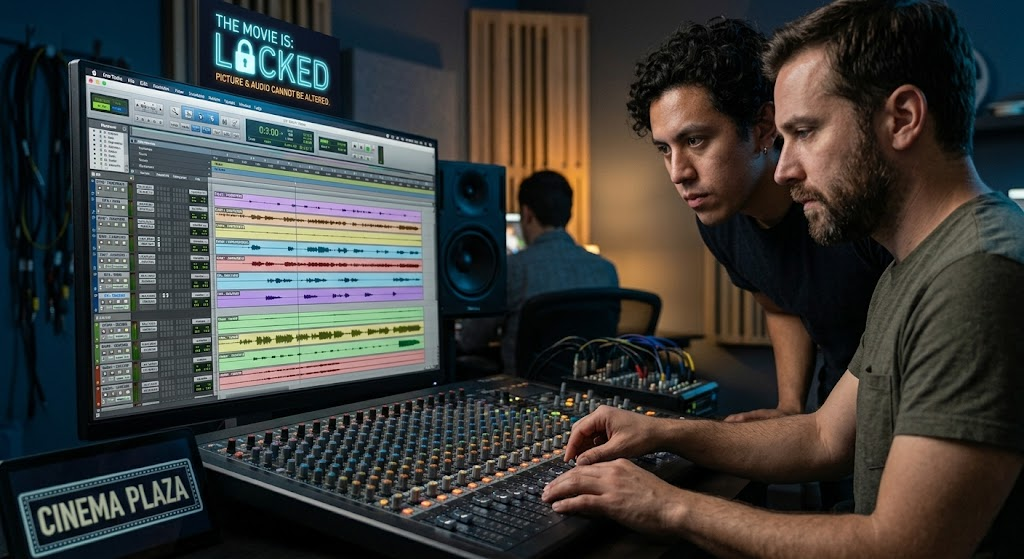
Once the movie is locked, the sound team can finally get to work. Sound designers need to know exactly how long each shot lasts. They add special sound effects, like footsteps, rain, or car doors slamming.
If the video keeps changing, sound designers would have to redo their hard work over and over again. Locking the picture saves time and prevents major headaches. It lets the audio team focus on making the movie sound amazing.
Composing the Perfect Musical Score
Music sets the mood for every great film moment. Movie composers wait for the locked movie before writing the final soundtrack. They need to match the music perfectly to the exact timing of the video frames.
If a scene gets deleted after the music is written, the whole melody gets ruined. By locking the edit, the composer knows exactly where to place a sad violin or an exciting action beat. It makes the movie feel magical and seamless.
Adding Visual Effects and CGI
Modern movies use a lot of computer-generated imagery, also known as CGI. Visual effects artists need a stable timeline to add spaceships, monsters, or exploding buildings.
Working on visual effects is very expensive and takes a long time. Artists only want to work on shots that will actually be in the final film. Locking the edit ensures that no money or time is wasted on deleted scenes.
Color Grading for the Perfect Look
Color grading is the process of making the picture look beautiful and consistent. A colorist adjusts the brightness, contrast, and colors of the film. They make sure a sunny day looks warm and a scary scene looks dark and moody.
The colorist can only do this job when the video edit is completely frozen. Trying to color scenes that might get cut later would be a huge waste of time. Locking the picture lets them polish the look of the film with confidence.
Avoiding the Temptation of Taillights
Even after a movie is officially locked, directors sometimes feel the urge to make tiny changes. In the film industry, this temptation is sometimes called “tinkering.” It is like trying to edit a book after it has already been printed.
A good director must learn to let go. You have to trust the editing decisions that were made. Resisting the urge to change small details keeps the project moving forward toward the finish line.
Delivering the Film to Theaters
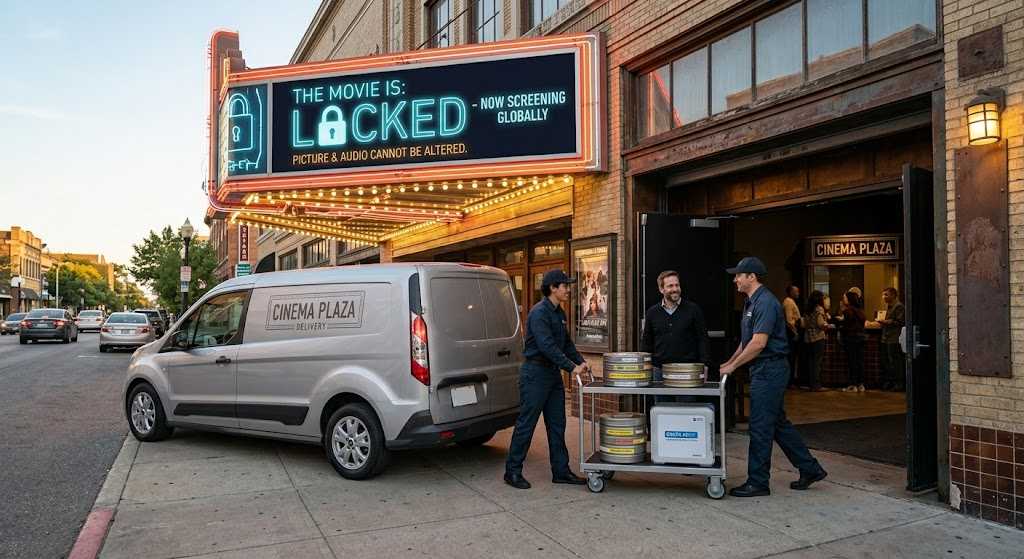
The final step is preparing the movie for theaters and streaming platforms. Once the picture, sound, and colors are perfectly blended, the film gets exported into a special digital file.
This file gets sent to cinemas all around the world. It is a proud moment for the entire crew. All that hard work pays off when audiences sit down with their popcorn to enjoy the story.
Conclusion
Understanding how a locked movie works gives you a fun peek behind the curtain of Hollywood magic. It shows that making a film is a true team effort that requires patience and clear planning.
Did you find this movie-making secret interesting? Share this article with your movie-loving friends or leave a comment below to tell us about your favorite behind-the-scenes movie fact!
Frequently Asked Questions
What does picture lock mean in film editing?
Picture lock means the visual edit is completely finished. No more changes will be made to the order or length of the video scenes.
Can you change a movie after it is locked?
Technically yes, but it is very rare and costs a lot of money. Filmmakers avoid making changes so they do not ruin the audio and visual effects work.
Who decides when a movie is locked?
The film director and the lead film editor make the final call together when they feel the story is perfect.
Why do sound designers wait for picture lock?
They wait so they can align sound effects perfectly with the exact timing of the final video clips without having to redo their work.
Does locking the movie save money?
Yes. It stops artists from wasting time and money on visual effects or music for scenes that might get deleted.
What happens after the picture is locked?
The team adds final music, sound effects, computer graphics, and color corrections to get the movie ready for the big screen.
