When writing about places, using correct capitalization is more than a mere stylistic choice—it is a mark of professionalism and accuracy. One question that often arises is whether lake texoma should be capitalized. While it may seem minor, proper capitalization reflects an understanding of grammar, geography, and respect for the locations you are describing. In this article, we will explore why Lake Texoma should be capitalized, common mistakes writers make, and practical tips to ensure proper usage in all writing contexts.
What Are Proper Nouns and Why Capitalization Matters
Proper nouns are specific names for unique people, places, or things, as opposed to general terms. For example, while “lake” is a common noun, Lake Texoma refers to one particular body of water located between Texas and Oklahoma. Proper capitalization distinguishes the lake as a recognized geographic feature, rather than just any lake in the region.
Understanding the importance of capitalization goes beyond grammar rules. Proper nouns convey significance and clarity to your readers. Writing Lake Texoma signals that you are referring to a specific landmark, which is vital in professional writing, travel guides, academic materials, and online content. Using lowercase letters like “lake texoma” may confuse readers or give the impression of sloppy writing, particularly for those unfamiliar with the lake.
Capitalization also establishes authority. Readers naturally trust writers who follow conventional grammar and naming practices. For geography-related writing, the correct use of capital letters shows that you are knowledgeable and attentive to detail, which can greatly enhance the credibility of your work.
Why “Lake Texoma” Specifically Must Be Capitalized
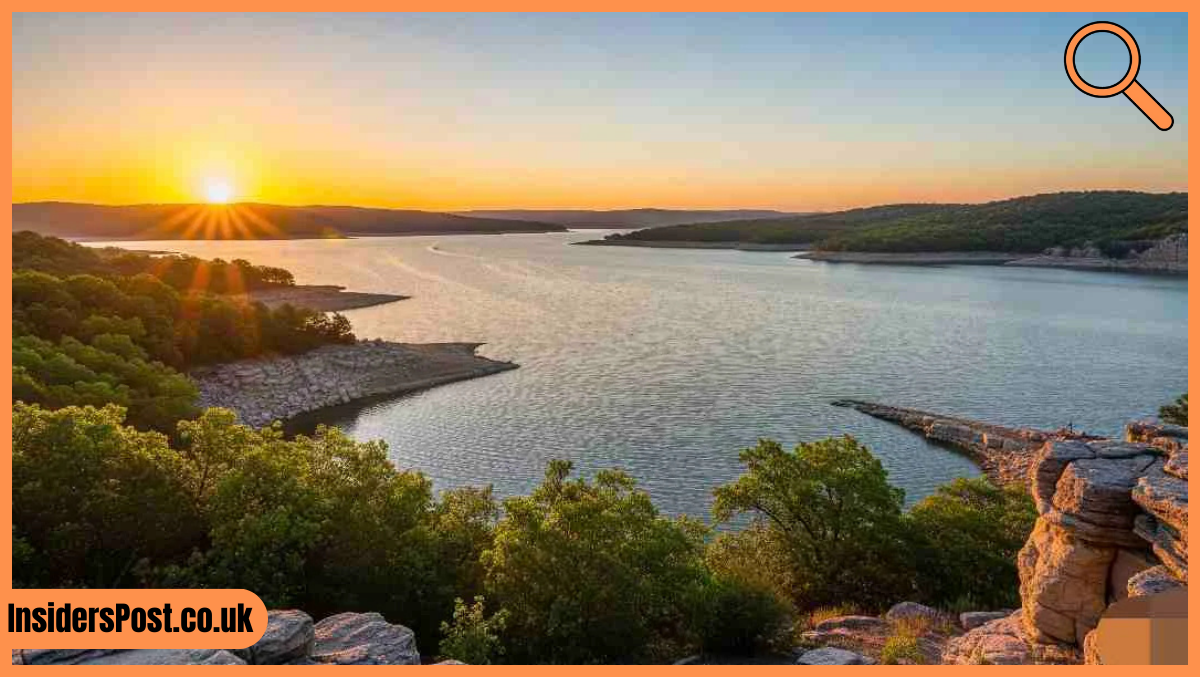
Lake Texoma is not an ordinary body of water—it is one of the largest reservoirs in the United States, formed by the Denison Dam on the Red River in the 1940s. This lake has both ecological and recreational significance, serving as a hub for boating, fishing, camping, and wildlife observation. Because it is a formally named location, it falls squarely under the rules requiring proper nouns to be capitalized.
When writing about Lake Texoma, capitalization ensures that the lake is clearly identified. Using lowercase letters can make it seem like a general reference rather than a specific place, which may confuse your audience. For example, the sentence “We went fishing at lake texoma” reads differently than “We went fishing at Lake Texoma.” The first appears informal or careless, while the second clearly points to the official, well-known lake.
Furthermore, capitalization aligns with established style guides. Both the Chicago Manual of Style and the Associated Press Stylebook emphasize that all officially named lakes, rivers, mountains, and other geographic features must have their names capitalized. Following these guidelines ensures consistency and professionalism, whether you are writing for print, digital media, or academic purposes.
Common Mistakes Writers Make
Even experienced writers sometimes get capitalization wrong. There are a few common reasons why lake texoma might be written incorrectly:
- Assuming “lake” is generic: Many writers treat the word “lake” as a descriptive term, forgetting that it forms part of the proper noun when combined with “Texoma.” The name should always appear as Lake Texoma in formal writing.
- Informal digital writing habits: On social media or messaging platforms, lowercase letters are often used for convenience. However, transferring these habits to formal or public writing can make the text appear unprofessional.
- Autocorrect or spellcheck limitations: Many digital tools do not recognize proper nouns, which can result in the incorrect lowercase spelling “lake texoma.” Writers need to manually verify capitalization to ensure correctness.
Avoiding these pitfalls is simple once you understand the rules. Always treat geographic names as proper nouns and double-check the capitalization when referencing official locations, especially well-known landmarks like Lake Texoma.
Practical Guidelines for Correct Usage
To ensure Lake Texoma should be capitalized correctly every time, follow these practical tips:
- Always capitalize both words: “Lake” is part of the official name, so it should never be written in lowercase when referring to this specific body of water. For example: “We spent the weekend at Lake Texoma.”
- Refer to authoritative sources: Check maps, government websites, or travel guides to confirm proper spelling and capitalization. These sources consistently use Lake Texoma, reinforcing the correct usage.
- Use lowercase only in general terms: If speaking about lakes in general, lowercase is acceptable. For example: “There are many lakes in Texas, but Lake Texoma is the largest along the Red River.”
These tips will help you maintain accuracy and professionalism in any writing context, from school papers to online articles. Proper capitalization not only improves readability but also demonstrates respect for the location itself.
The Broader Impact of Proper Capitalization
Capitalization has more than stylistic significance—it can affect searchability, credibility, and audience perception. In digital content, correctly capitalized terms like Lake Texoma improve search engine recognition and enhance the accuracy of search results. For instance, someone looking for “Lake Texoma fishing” expects authoritative content about the actual lake, not generic advice about any nearby lake.
Beyond search engines, capitalization communicates attention to detail. Readers tend to trust writers who follow grammatical norms, especially when writing about specific locations. Using proper capitalization is a subtle yet powerful way to establish authority and credibility in your writing.
Conclusion: Always Capitalize Lake Texoma
In conclusion, the rule is clear: Lake Texoma should be capitalized. As a proper noun and a significant geographic landmark, the lake deserves correct capitalization in all forms of writing. From understanding proper nouns to avoiding common mistakes and following authoritative guidelines, writers have many reasons to capitalize this name consistently.
By treating Lake Texoma with the respect it deserves, you not only follow grammatical rules but also provide clarity, credibility, and professionalism in your writing. Whether you are crafting a travel guide, educational article, or casual blog post, always remember: it is Lake Texoma, not “lake texoma.” Correct capitalization is a small step that makes a big difference.
